
1. Determine the Guest List:
- The number of guests directly impacts various aspects of your budget, including catering, venue size, and even the quantity of invitations. Be realistic about the number of attendees to avoid unnecessary expenses.
2. Create a Detailed Checklist:
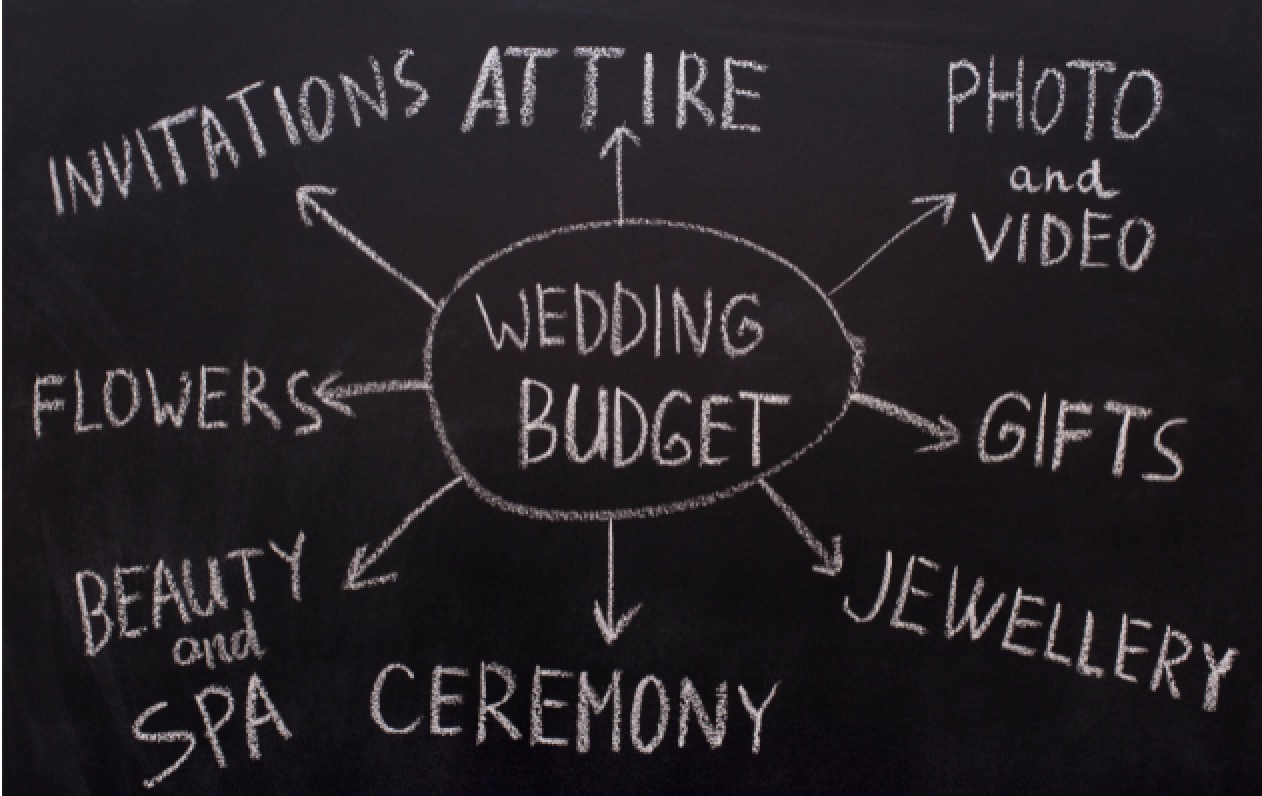
- Develop a comprehensive checklist that covers all potential expenses. Include items such as venue rental, catering, attire, decorations, transportation, and any other specific elements relevant to your event.
3. Research Average Costs:
- Investigate the average costs of services and vendors in your location. Researching beforehand gives you a realistic understanding of what to expect and helps you avoid overestimating or underestimating expenses.
4. Define Your Priorities:
- Once you have a list of the different services and elements that you require and have done your research on average costs, it’s important to start prioritizing what is most important to you. Whether it's the venue, catering, entertainment, or decor, defining priorities will guide your budget allocation.
5. Set Realistic Expectations:
- Be realistic with what you can afford. Events are used to celebrate huge milestones, whether it’s your wedding, baby shower, birthday, or even retirement party, but it’s important to spend within your budget so you can enjoy future milestones to come!
6. Establish a Contingency Fund:
- Unforeseen expenses are par for the course in event planning. Allocate a percentage of your budget to a contingency fund to handle unexpected costs that may arise.
- This is where setting realistic budgets is super important for different areas of your event. Experts suggest reserving at least 10% of your budget in the case of emergencies.
7. Consider the Season and Timing:
- The season and timing of your event can impact costs. Off-peak seasons or weekdays may offer more budget-friendly options for venues and services.
8. Negotiate and Seek Discounts:
- Don't be afraid to negotiate with vendors and explore potential discounts. Securing vendors earlier can help you lock in cheaper rates - especially if you’re planning ahead. For example, planning for your 2026 wedding now!
9. Prioritize Quality Over Quantity:
- Instead of trying to check off every item on your inspiration list, focus on key elements that really bring the theme to life. For instance, instead of elaborate centerpieces on every table, focus on really bringing the focal point of the event to life and opt for more minimal centerpieces that add a touch of elegance. Your guests will thank you for the lack of obstruction in their view, and you’ll be able to focus on areas like the stage and entrance for decor elements. These are more likely to be captured in your videos and photos.
10. Regularly Review and Adjust:
- Don’t be afraid to update your trackers with real costs against your budget to see how you’re spending. This will help you make informed decisions about future costs and see where you have some wiggle room. It’ll also help you guide your conversations with vendors and be realistic about what makes sense for you and your budget.